Understanding the psychology behind gambling behavior and its impact on decision-making
Understanding the psychology behind gambling behavior and its impact on decision-making
The Nature of Gambling Behavior
Gambling behavior is often driven by complex psychological factors that intertwine emotion, cognition, and social influences. At its core, the thrill of gambling stems from the unpredictability of outcomes, which can elicit both excitement and anxiety. Players often perceive gambling as an escape from daily stressors, offering a brief opportunity for adventure and adrenaline. As you explore options, check out https://bunny96-australia.co/games/, where this interplay of emotions creates a compelling environment where individuals may lose track of time and money, emphasizing the need for understanding the underlying motivations behind such behavior.

Moreover, the concept of risk-taking plays a crucial role in gambling behavior. Many gamblers are drawn to the potential for significant rewards, which can overshadow the likelihood of loss. Cognitive biases such as the gambler’s fallacy—where individuals believe past outcomes will influence future results—can further exacerbate this risk-taking mentality. This often leads to irrational decision-making, where individuals might continue to wager despite experiencing consistent losses, ultimately leading to deeper financial troubles.
The social aspect of gambling cannot be overlooked. For many, gambling is a communal activity that enhances social connections. The shared experience of betting and celebrating wins can create a strong sense of belonging. However, this social dimension can also lead to peer pressure, further influencing individuals’ decision-making processes. Understanding these social influences is crucial for recognizing how they can either mitigate or exacerbate gambling behavior.
Cognitive biases significantly impact how individuals approach gambling and make decisions. One of the most prevalent biases is the illusion of control, where gamblers believe they can influence the outcome of a game despite it being purely chance-based. For instance, a player may feel that using a specific betting strategy or choosing certain numbers gives them an edge. This misconception can lead to increased gambling, as the individual feels empowered by their perceived ability to influence the game.
Another critical bias is loss aversion, which refers to the tendency for individuals to prefer avoiding losses rather than acquiring equivalent gains. Gamblers who have experienced losses may irrationally chase their losses, hoping that their next bet will turn things around. This behavior often leads to a cycle of increased betting, as players feel compelled to reclaim what they have lost, reinforcing the idea that gambling can be a path to financial recovery.
Lastly, the concept of confirmation bias can also play a role in gambling behavior. Gamblers may selectively remember successful bets while overlooking the numerous losses. This skewed perspective reinforces the belief that they have a winning strategy, which can perpetuate unhealthy gambling habits. Recognizing these cognitive biases is essential in understanding how they shape gambling behavior and impact decision-making processes.
The Role of Emotions in Gambling
Emotions are a significant driving force behind gambling behavior. The thrill of winning can trigger a release of dopamine, a neurotransmitter linked to pleasure and reward. This chemical reaction reinforces the desire to gamble, as the emotional high associated with wins can become addictive. As individuals experience these emotional highs, they may be tempted to take more risks, believing that they can replicate their success.
Conversely, negative emotions such as stress, anxiety, and depression can also lead to increased gambling. For some, gambling serves as a coping mechanism, providing a temporary distraction from life’s challenges. Unfortunately, this reliance on gambling as a form of escapism can create a dangerous cycle, where individuals increasingly turn to gambling during tough times, further jeopardizing their financial and emotional stability.
Additionally, social environments can amplify these emotional responses. The atmosphere in casinos or online gambling platforms is often designed to heighten excitement, with bright lights, loud sounds, and celebratory moments creating an exhilarating environment. These emotional triggers can cloud judgment and impair decision-making, leading individuals to engage in behaviors they might otherwise avoid.
Strategies for Responsible Gambling
Understanding the psychological underpinnings of gambling behavior can pave the way for developing strategies for responsible gambling. One effective approach is setting strict limits on both time and money spent gambling. By establishing clear boundaries, players can maintain control over their gambling habits and minimize the risk of significant losses. Awareness of personal triggers and emotional responses can also be instrumental in promoting more conscious decision-making while gambling.
Another vital strategy involves self-reflection and education about gambling odds and probabilities. Players who understand the risks associated with various games are better equipped to make informed decisions. This knowledge can help mitigate the influence of cognitive biases and emotional reactions, promoting a more rational approach to gambling. Resources that provide information on games and their associated risks can support individuals in cultivating a more responsible gambling mindset.
Additionally, seeking support from friends, family, or professional organizations can provide valuable encouragement in maintaining responsible gambling practices. Engaging in open conversations about gambling habits can help individuals feel less isolated and more accountable. Support networks can also assist in recognizing signs of problematic gambling behaviors, encouraging timely intervention when necessary.
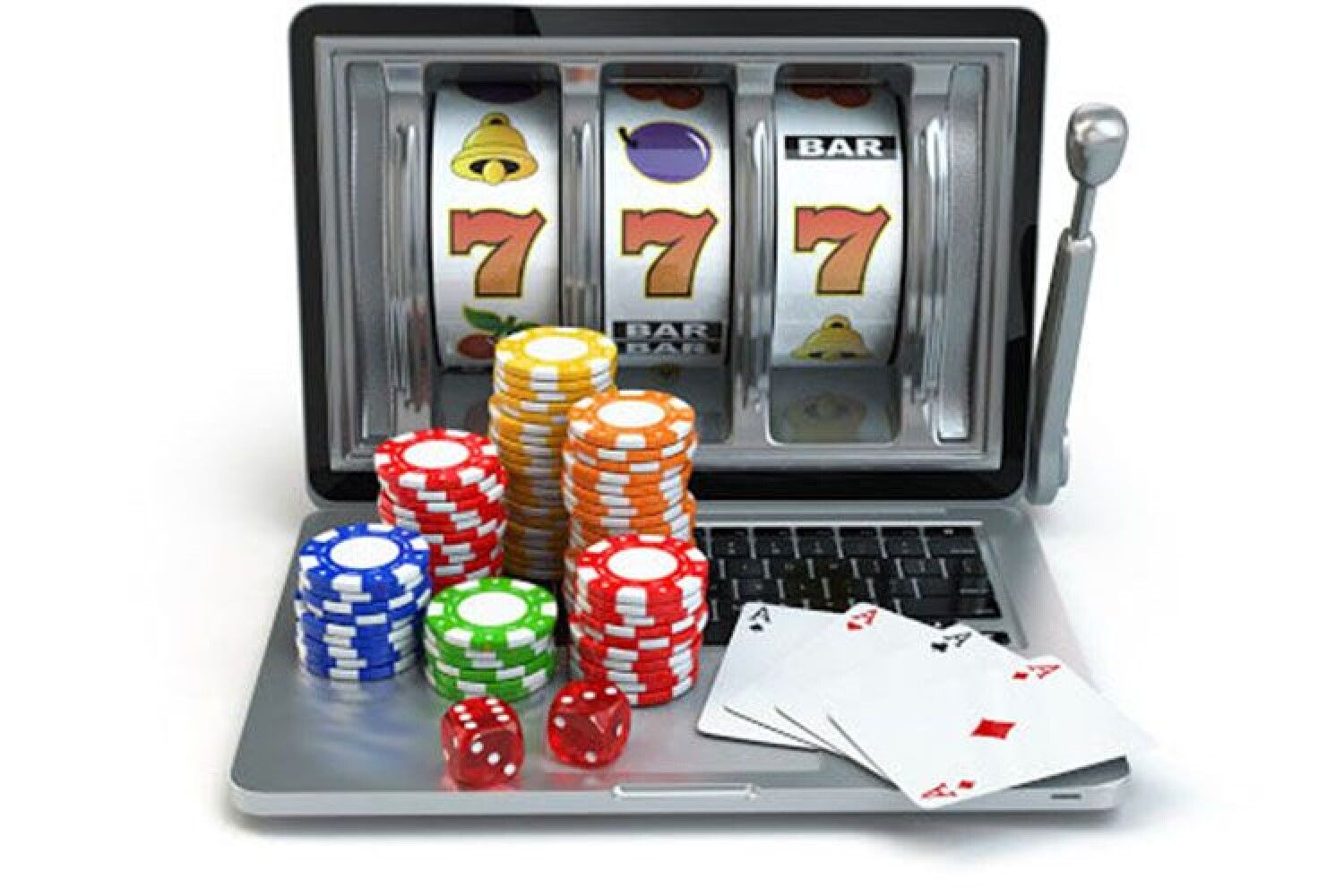
Exploring Bunny96 for Responsible Gaming
Bunny96 is dedicated to providing a safe and engaging online gaming environment for Australian players. With a diverse selection of over 5,000 games, including pokies, table games, and live dealer options, players can find entertainment suited to their preferences. The platform emphasizes responsible gambling by promoting awareness and providing resources to help players stay informed and in control of their gaming habits.
With a focus on high-quality gameplay and seamless transactions in AUD, Bunny96 creates an enjoyable experience for both newcomers and seasoned players. The platform recognizes the importance of responsible gambling and offers tools that allow players to set limits on deposits and playtime. These features encourage healthier gaming practices, enabling players to enjoy their favorite games while managing their risks effectively.
In summary, understanding the psychology behind gambling behavior is crucial for promoting responsible gaming. By recognizing the emotional, cognitive, and social factors that influence gambling decisions, players can develop strategies to navigate their experiences more safely. Platforms like Bunny96 prioritize responsible gaming, ensuring players can enjoy their gaming experience while minimizing risks. Join today to explore the exciting world of online gaming responsibly.