The evolution of gambling from ancient rituals to modern practices
The evolution of gambling from ancient rituals to modern practices
Origins of Gambling in Ancient Cultures
The roots of gambling can be traced back to ancient civilizations, where games of chance played significant roles in cultural rituals. Archaeological evidence suggests that as early as 3000 BCE, people in Mesopotamia were using dice made from animal bones to partake in various games. This early form of gambling was often intertwined with religious beliefs and was thought to be a way to communicate with the gods or to invoke fortune. Today, many people enjoy playing slot online games that hark back to those ancient traditions.

In addition to dice, ancient societies utilized betting in activities ranging from chariot races to gladiatorial contests. The Romans, for instance, popularized betting on combat sports, while the Chinese developed games that involved betting on the outcome of future events. These activities laid the groundwork for gambling as a social practice, reflecting the human desire for risk and reward.
The Transition Through the Middle Ages
The Middle Ages saw a shift in gambling practices, largely influenced by societal changes and the spread of Christianity. While some forms of gambling were discouraged by the Church, others, like card games, began to gain popularity among the aristocracy. The invention of playing cards in the 9th century in China revolutionized gambling, providing new opportunities for both entertainment and wagering.
This period also saw the establishment of regulations surrounding gambling, as governments began to recognize its economic potential. Lotteries emerged as a state-run enterprise, providing funds for public works and charity. This evolution marked a significant transition, as gambling was increasingly viewed not merely as a vice but as a potential source of revenue for state projects.
The Rise of Modern Casinos
The 17th and 18th centuries witnessed the birth of the modern casino, with the establishment of venues in Italy and France where patrons could enjoy various games under one roof. The Casino di Venezia, opened in 1638, is often recognized as the world’s first official casino. These establishments offered a formalized environment for gambling and were designed to cater to the elite, emphasizing luxury and entertainment.
The Digital Revolution and Online Gambling
The advent of the internet marked a monumental shift in gambling practices, giving rise to online casinos that allowed players to engage in games from the comfort of their homes. This digital revolution has transformed the gambling landscape, making it more accessible to a global audience. Players can now enjoy a variety of games, from slots to poker, at any time and from anywhere.
Online gambling platforms have also introduced innovations such as live dealer games and mobile applications, enhancing the user experience. The rise of cryptocurrencies has further impacted the industry, offering anonymity and secure transactions. This modern era of gambling reflects a blend of traditional practices and cutting-edge technology, appealing to a diverse range of players.
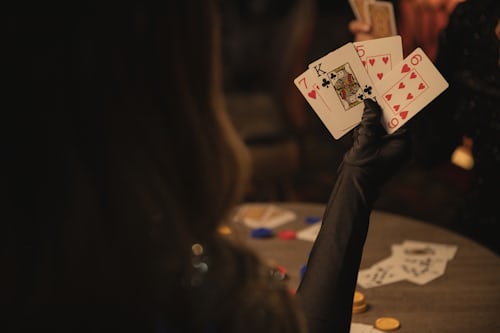
Engaging with the Gaming Community
As the gambling landscape continues to evolve, platforms dedicated to gaming enthusiasts have emerged, providing the latest news, reviews, and insights. Such websites serve as vibrant communities where users can connect, share tips, and engage in discussions about gambling trends and strategies. The accessibility of information and forums for interaction enhances the overall experience for players.
By staying informed about the latest developments in both online and land-based gambling, enthusiasts can make educated decisions about where and how to participate. These platforms not only foster a sense of belonging among gamers but also play a crucial role in shaping the future of gambling as it adapts to changing technologies and societal norms.
“`